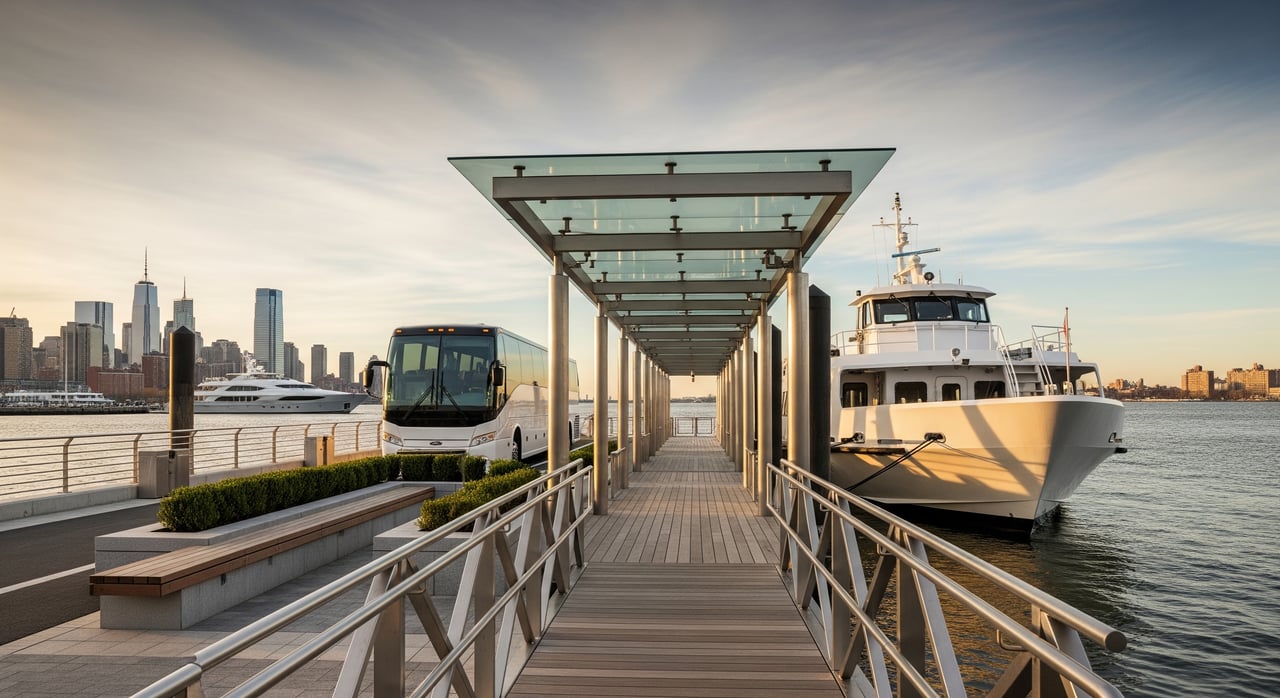
Choosing between the ferry and the bus from Edgewater can shape your daily routine and even which home you pick along River Road. You want a commute that is predictable, manageable in cost, and close to your front door. In this guide, you’ll see how the ferry and bus compare for time, reliability, cost, and access, plus which parts of Edgewater put you closest to key stops. By the end, you’ll know what to test, what to budget, and how to pick the right location for your lifestyle. Let’s dive in.
How Edgewater connects to Manhattan
Ferries: fast in-water, fixed schedules
NY Waterway operates the ferry service that Edgewater riders use to reach Midtown and, on some routes or via nearby terminals, Lower Manhattan. Ferries run most frequently during weekday rush hours, with reduced service midday and on weekends. Manhattan landings commonly include Midtown West around West 39th Street and Lower Manhattan near Brookfield Place.
Ferry schedules are fixed, so you plan around departure times. In return, you get a ride that avoids daily highway congestion. Many commuters pair the ferry with a short subway or walk in Manhattan to reach their office.
Buses: more stops, traffic-sensitive
NJ Transit runs local and commuter buses along River Road that connect to the Port Authority Bus Terminal in Midtown. Some private carriers operate commuter runs as well. Bus options are frequent during peak hours and may run later than some ferry schedules.
The tradeoff is traffic. Buses can be quick on lighter days, but they are sensitive to congestion near the Lincoln Tunnel and along Route 495. If you value late-night flexibility or want a curbside stop close to home, the bus can be a strong option.
Travel times you can expect
Ferry time ranges
- In-boat time to Midtown is typically about 10 to 25 minutes, depending on the specific Edgewater terminal and Manhattan landing.
- In-boat time to Lower Manhattan is often 25 to 45 minutes when offered from Edgewater or nearby terminals.
- Door-to-door, including walking, waiting, boarding, and your Manhattan last mile, you should plan on about 30 to 60 minutes or more each way in typical peak conditions.
Ferries are generally more consistent than road buses because they avoid city traffic. Severe weather or mechanical issues can still cause delays, so it is smart to know a backup route.
Bus time ranges
- Peak-period travel time from Edgewater to Port Authority can be roughly 20 to 45 minutes. In heavier congestion, the trip can exceed an hour.
- Door-to-door, including your walk to the stop and any transfers, plan on about 30 to 75 minutes or more each way.
Buses offer more stop flexibility along River Road and often run later into the evening. The main variable is highway conditions, which can add unpredictability compared to the ferry.
Quick comparison
- Ferries: shorter in-water time, more predictable, fixed schedules, and a walk to the pier on both ends.
- Buses: more access points along River Road and at Port Authority, often later service, but travel time varies with traffic.
What it costs and how fares work
Exact fares change, and you should always verify current prices with the operator before you decide. Here is how the structure typically works so you can plan your budget.
Ferry fares
- Single one-way adult fares commonly fall in the low to mid single-digit to low double-digit dollar range for regional commuter ferries.
- Monthly passes usually lower the per-ride cost for daily riders.
- Seniors, children, and some employer programs may receive discounts.
Bus fares
- One-way fares to Manhattan vary by route length and often sit in a moderate single-digit to low double-digit range.
- Monthly bus passes can be cost-effective for daily commuting.
- Transfers between different operators usually require separate fares.
Parking and other costs
- Ferry terminal parking or nearby lots are often paid, either daily or with a monthly permit. Availability can tighten during peak hours.
- Many Edgewater condo and townhome communities include resident parking. It may be deeded, included in fees, or paid separately.
- Your time has value. A slightly faster option may cost more per ride, so weigh the time savings and predictability against your monthly budget.
Access, parking, and last-mile logistics
A smooth commute starts with the first and last block of your trip. Look closely at parking, walk times, and building amenities.
- Ferry terminals typically have nearby lots or garages. Many offer monthly permits, and some lots fill during peak morning hours.
- Bus stops along River Road are common and often within a few blocks of residential buildings. Some have shelters, others are curbside.
- Drop-off and pick-up zones near terminals are helpful for carpools or ride-hailing. Always check local rules to avoid tickets.
- Newer waterfront communities often include indoor garages. Older properties may rely more on surface lots or street parking.
- Bikes may be allowed on ferries, and last-mile e-bikes or scooters can help, but always confirm operator and municipal policies.
- Many terminals and buses are ADA-accessible. If accessibility matters to you, confirm specific boarding procedures for your route.
River Road locations by proximity to stops
Where you live along River Road directly affects your door-to-door time. Use this simple framework to compare properties.
Waterfront and walking-distance cluster (0 to 7 minutes)
These properties sit on or just off River Road near ferry terminals. If you want the shortest ferry walk and easy access to riverfront bus stops, this cluster is ideal. Expect a quick stroll and fewer variables each morning.
Mid-corridor cluster (8 to 15 minutes)
These buildings are one to four blocks inland or farther along River Road. You still have convenient access to both modes, but add a few minutes of walking. This can be a good balance of price, amenities, and commute time.
Inland and elevated cluster (15 to 25 minutes or short shuttle)
Townhomes or condos on steeper side streets or farther from the river often suit residents who plan to drive to the ferry lot or focus on bus service. Some larger communities may offer private shuttles during peak hours.
North and south ends of Edgewater
Distances to specific terminals or major stops vary. Northern Edgewater, near the Fort Lee border, may be closer to certain stops or bus routes. Southern Edgewater, near Cliffside Park, may be closer to different bus runs or neighboring ferry terminals that connect to different Manhattan landings.
Door-to-door examples you can test
Use these sample scenarios to plan your trial commute. Adjust the walk and in-vehicle times to match your exact address and work location.
- Waterfront condo to Midtown office: 3 to 6 minute walk to the ferry, 10 to 25 minute in-boat time, then a 5 to 15 minute walk or subway ride in Manhattan. Total often lands around 30 to 50 minutes.
- Mid-corridor condo to Midtown office: 8 to 12 minute walk to the ferry, same 10 to 25 minute in-boat ride, and a 5 to 15 minute Manhattan last mile. Total is commonly 35 to 55 minutes.
- Inland townhome to Midtown via bus: 5 to 12 minute walk to a River Road bus stop, 20 to 45 minutes to Port Authority in typical conditions, then a 5 to 15 minute Midtown last mile. Total can range from 35 to 70 minutes.
- Lower Manhattan destination: If a direct ferry is available from Edgewater or a nearby terminal, plan for 25 to 45 minutes in-boat time plus your walk or subway. If you bus to Midtown first, you will add a transfer to reach downtown.
The key is to measure the full door-to-door cycle on both a morning and an evening trip during your usual hours.
Decision checklist before you commit
- Time a live commute on a weekday morning and evening for at least one full round trip.
- Compare total door-to-door time, not just in-vehicle time.
- Verify current schedules, fares, and parking rules with the operators.
- If you need late-night or weekend flexibility, confirm service frequency for those times.
- If parking is important, check availability, prices, and whether you can secure a monthly permit.
- Ask the HOA or seller if parking is deeded, included in fees, or rented. Ask about any building shuttles.
- Identify a backup route, such as ferry to Hoboken plus PATH, or a bus into Port Authority if the ferry is disrupted.
Which commute fits your workday
- Midtown office near Times Square or Hudson Yards: The ferry to Midtown plus a short walk or subway can be fast and predictable. If you prefer curbside pickup near home, the bus to Port Authority is convenient.
- Downtown office near Brookfield Place: If a direct or nearby-terminal ferry to Lower Manhattan aligns with your schedule, that is often the simplest. Otherwise, consider a ferry or bus to Midtown and connect by subway.
- Variable hours or frequent late nights: Bus service often runs later and can be more flexible. Balance this against traffic variability.
- Priority on predictability: Ferries usually offer steadier travel times because they avoid highway congestion. Plan for fixed departure times and walks to and from the piers.
- Budget sensitive: Monthly bus passes can lower costs if you ride daily. Ferry monthly passes can also reduce the per-ride cost, so compare both against your actual schedule.
How we can help you choose the right spot
If the commute is a priority, the right Edgewater address matters just as much as the floor plan. We help you map walk times to ferry terminals and major bus stops, verify parking and HOA details, and model your likely door-to-door time based on your work location. You get a clear, practical picture before you make an offer.
Looking for a waterfront condo with a 5-minute walk to the ferry, or a townhome that balances space with quick bus access? Get tailored options and on-the-ground guidance from our local team. Reach out to Sara Shin Select to start your Edgewater search with confidence.
FAQs
Which Manhattan terminals can I reach from Edgewater?
- Ferries commonly serve Midtown West and, from some routes or nearby terminals, Lower Manhattan near Brookfield Place. Buses typically go to Port Authority in Midtown, with downtown connections by subway or PATH.
How long is a typical Edgewater ferry commute door-to-door?
- Plan for about 30 to 60 minutes or more each way in peak times, including your walk to the pier, waiting, in-boat time, and your last mile in Manhattan.
How long is a typical Edgewater bus commute door-to-door?
- Expect about 30 to 75 minutes or more each way, depending on your walk to the stop, traffic conditions, and any transfers after arriving at Port Authority.
Are ferries reliable in winter or high winds?
- Ferries are generally consistent since they avoid highway congestion, but severe weather or mechanical issues can cause delays or cancellations. Always keep a backup route in mind.
How do ferry and bus costs compare for daily commuters?
- Single rides for both modes usually fall from single-digit into low double-digit dollars, with monthly passes lowering per-ride costs. Compare pass pricing and your actual weekly schedule to decide.
What are my parking options near Edgewater ferry terminals?
- Many terminals offer paid daily parking and monthly permits, and nearby private garages may have monthly contracts. Lots can fill at peak times, so verify availability and rules before committing.
Can I bring a bike, and are routes accessible?
- Ferries commonly allow bikes, though policies vary. Many terminals and buses are ADA-accessible, but you should confirm details like ramps and boarding procedures for your specific route.