Your Practical Guide to Fort Lee High-Rise Living
February 5, 2026
February 5, 2026
What if your weekday started with coffee above the Hudson and ended with dinner steps from home, all while keeping Manhattan within easy reach? If you are weighing a move from the city or from elsewhere in North Jersey, Fort Lee’s high-rise corridor offers a practical blend of views, convenience, and condo living. You want a clear sense of daily life, commute options, building types, and the costs that actually matter. This guide breaks it down so you can picture your routine and make smart choices. Let’s dive in.
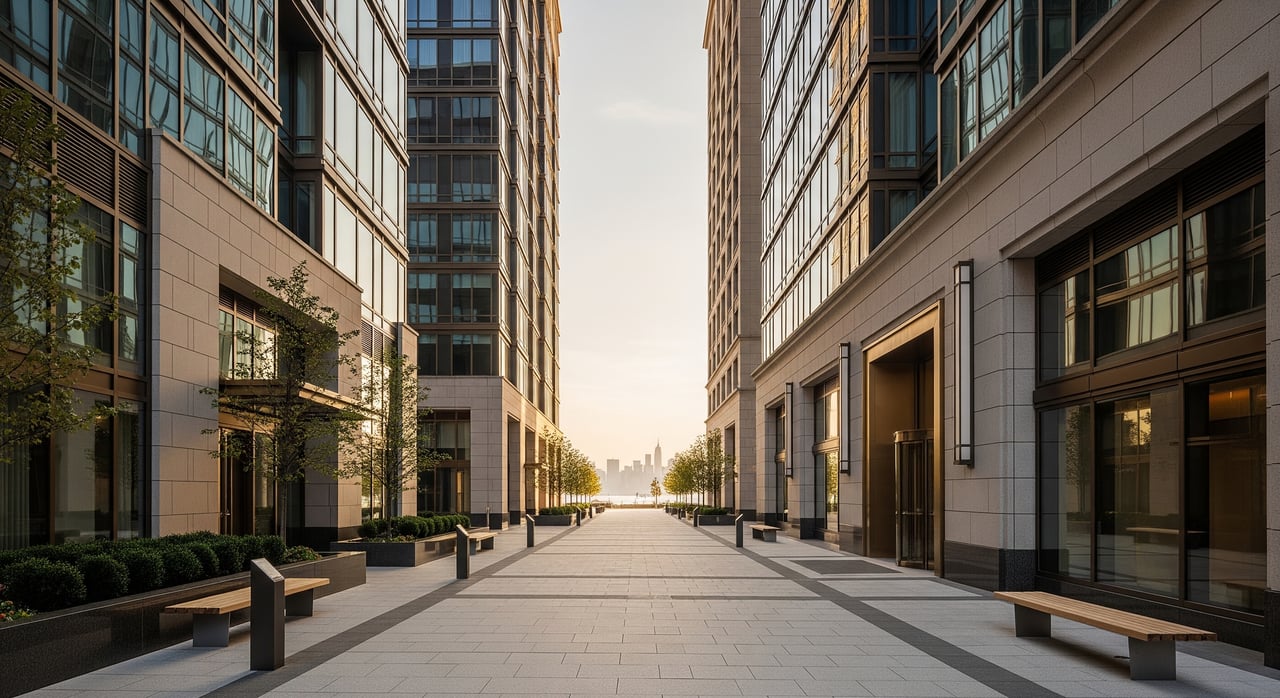
Fort Lee’s high-rise strip runs along the Palisades above the Hudson River, oriented toward the Manhattan skyline. Buildings range from classic mid-century towers to newer luxury condos with modern amenities. Street-level retail and small commercial pockets give the corridor a vertical, mixed-use feel that fits busy commuter life.
You will find a mix of renters and owners, including professionals who commute to Manhattan, families seeking more space without losing access to the city, and downsizers who prefer condo living. A well-established East Asian community, notably Korean, shapes the dining, markets, and specialty shops. The result is a wider range of food and everyday services than you typically see in a New Jersey suburb of similar size.
Two anchors frame the corridor’s outdoor life: Palisades Interstate Park and the Fort Lee Historic Park overlook. You can walk, jog, or take in skyline views within minutes of many towers. The proximity to the George Washington Bridge is a practical plus for cross-river access, though traffic activity is part of the environment on certain blocks.
Start with an elevator ride to a neighborhood café or quick-stop bodega. Many residents combine a short errand like dropping recycling or grabbing groceries with the walk to an express bus stop. If you drive, your day may start in the garage with a quick scan of bridge conditions.
Express buses to Midtown are the most common public transit option from Fort Lee. In lighter traffic, expect roughly 20 to 35 minutes to Port Authority. During peak periods, plan for 30 to 60 minutes or more depending on bridge congestion. Driving can be quick during off-peak hours, often 10 to 30 minutes into Upper Manhattan, with longer times during rush hour.
Fort Lee does not have a ferry terminal, but nearby Hudson-side towns offer ferry service if you prefer that mode and do not mind a short drive or local shuttle. There is no direct commuter rail or PATH service from Fort Lee; reaching those lines requires a short connection to nearby terminals.
After work, you can pick from a strong lineup of Asian and international restaurants, plus casual spots for takeout. Neighborhood gyms and studios make it easy to fit in a workout without leaving the corridor. Weekends often include park time on the Palisades, a stroll to playgrounds, or a longer hike with skyline views.
Day to day, you will find a mix of mainstream supermarkets and smaller specialty markets within a walk or short drive. Dining ranges from quick counter-service to sit-down restaurants. Late-night options exist, though the corridor is calmer than Manhattan.
Local gyms, yoga and studio options, bank branches, and service businesses line the main corridors. Urgent care and medical offices are nearby, and larger hospitals and specialty providers are a short drive away in Bergen County or Manhattan.
Many residents can handle most errands on foot thanks to the retail density along River Road and Lemoine Avenue. Crossings at major thoroughfares can be busy, and sidewalk quality varies by block, though newer developments often upgrade adjacent streetscapes. Some residents live car-free by relying on express buses and local services, while others keep a car for weekend travel and regional errands.
Older towers often trade modern finishes for larger floor plans and lower-frills amenity sets, with building management quality a key factor. Newer luxury condos typically offer more in-building amenities such as fitness centers, lounges, and package rooms. Ownership structures are commonly condominiums, and policies vary by building.
Doorman service and package handling cut down on delivery hassles. On-site fitness, rooftop decks, and shared workspaces can shift parts of your routine into the building, making it easier to work out or unwind without leaving home. Many residents find these features reduce extra trips and make winter routines easier.
Garage or assigned parking is common but not universal, and it often comes at an additional monthly cost. On-street parking is limited along the dense corridor. If parking access is a priority, verify availability and fees early in your search.
Condo and HOA fees typically cover building maintenance, common area utilities, and reserves. Fees are higher in buildings with extensive amenities, so it is important to compare what you get for the monthly cost. New Jersey property taxes are a meaningful part of ownership costs, so build them into your budget alongside principal, interest, and HOA fees.
Given the river-adjacent location, certain buildings or lower floors may sit within mapped flood zones. Review FEMA flood maps for specific addresses and ask about any insurance requirements. If a unit requires flood insurance, factor that into the monthly total.
Some condos cap investor ownership or set minimum owner-occupancy periods. Short-term rental rules vary and may be limited. Always review bylaws, reserves, and recent building disclosures to understand policies that can impact resale value and rental flexibility.
Noise and activity levels can shift block by block. Towers set back from the George Washington Bridge approaches typically experience fewer direct roadway sounds, while lower floors closer to major corridors can hear traffic. If sound is a concern, visit a building at different times of day and ask about any recent noise studies or mitigations.
Parks, playgrounds, and school services are part of the local fabric. If you need easy access to outdoor space, consider buildings with nearby pocket parks or ground-level play areas. For schools, review current district information and proximity to after-school programs or recreational facilities as you evaluate specific addresses.
Value depends on what matters most to you. Many buyers find more indoor space, potential parking options, and access to green space for the price compared with Manhattan. In return, you accept commute variability and add New Jersey property taxes and HOA fees to the equation. If your priorities include quicker access to parks and a calmer evening routine, the trade-off can feel worth it.
Choosing a Fort Lee high-rise is about matching your daily rhythm to the right building, block, and budget. You want clarity on fees, policies, and commute trade-offs before you bid. Our team brings hyper-local expertise, building-by-building insight, and a relationship-first approach to help you compare real options and negotiate with confidence.
Ready to explore Fort Lee’s high-rise corridor with a trusted local advisor? Reach out to Sara Shin Select for a tailored plan and on-the-ground guidance.
Whether it’s a home, warehouse, or medical building, Sara knows how to showcase properties at their highest value.