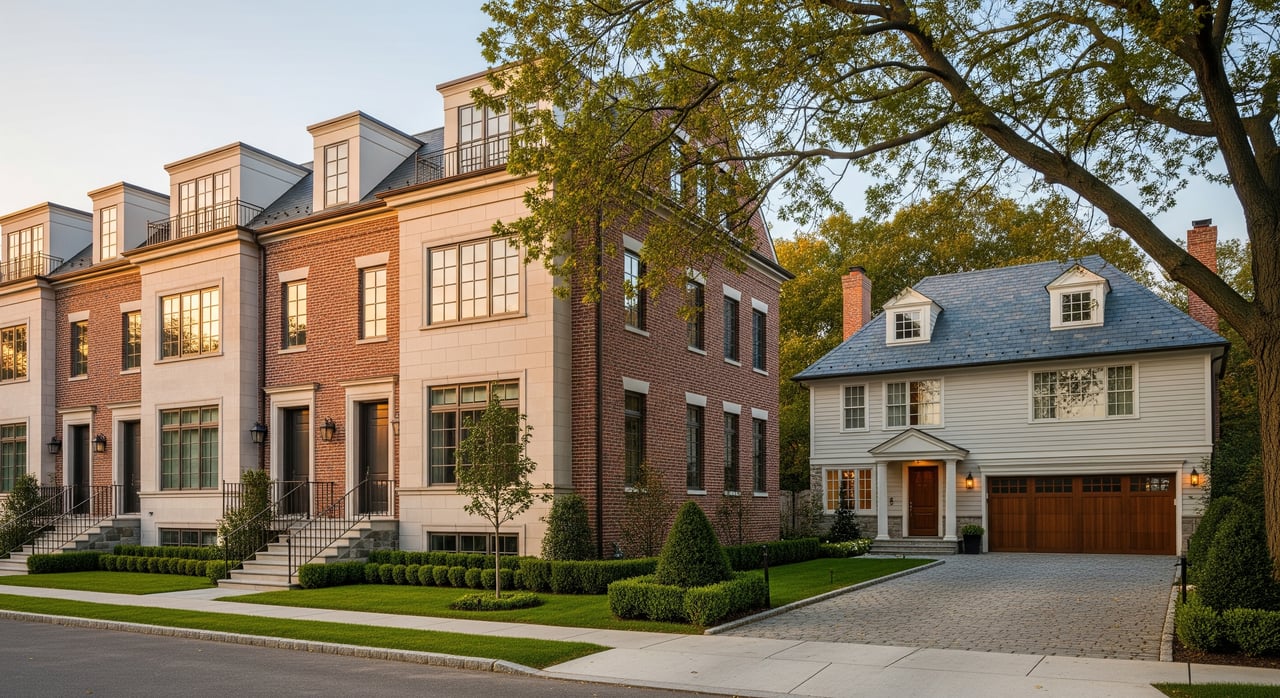
Townhome vs House in Palisades Park: True Ownership Costs
January 15, 2026
January 15, 2026
Buying in Palisades Park often comes down to one big decision: townhome or single‑family. Both can fit your life, but the true cost of owning them can feel murky once you factor in taxes, HOA dues, insurance, utilities and long‑term maintenance. If you want a clear, local view before you commit, you are in the right place. In this guide, you will learn how to compare monthly and long‑term costs, what to verify for any property, and how Palisades Park’s market and location shape value. Let’s dive in.
Palisades Park sits in a Bergen County commuter corridor close to major NYC entry points. That proximity drives steady demand and compresses prices across townhomes and single‑family homes. When you compare options, match recent closed sales by beds, baths, finished square footage and location near transit, parking and amenities. Use reliable sources like local MLS data and county records to confirm true selling prices, not just list prices.
Property type matters too. Many townhomes here are part of associations with shared services, while most single‑family homes are fee simple with full owner responsibility. That difference shows up in monthly costs, approvals for financing and long‑term maintenance planning.
Use this framework to compare any two properties side by side. Plug in actual figures from the listing, tax bill, insurance quotes and HOA documents.
This formula keeps you focused on the cash you will spend every month, not just your mortgage.
Townhome communities often include exterior maintenance, landscaping, snow removal, trash, common area insurance and reserves for big projects. Fees vary with services, building age and the number of units sharing costs. Review the budget, reserve study and recent meeting minutes to see if reserves are adequate. Watch for special assessments tied to roofs, siding, garages or elevators.
Most associations carry a master policy for exterior and common elements. You will still carry an HO‑6 policy for interior walls, finishes, contents, liability and loss assessment coverage. Confirm whether the master policy is “walls out” or more limited, and note the deductible. If the master policy has a high deductible or exclusions, owners can face assessments.
Shared walls usually mean lower heating and cooling costs than a detached home. Ask for recent utility bills. Note the heating fuel type and the age and efficiency of HVAC systems. Efficient equipment can offset higher HOA dues.
Townhomes can reduce your personal exterior workload, but you are still responsible for interior systems and any items not covered by the HOA. Study the bylaws to see who handles roofs, windows and decks. Plan a maintenance reserve for interior systems and any cost‑sharing you may face.
New Jersey property taxes are a major line item. In Bergen County, taxes are calculated as assessed value multiplied by the combined local tax rate. Townhomes are assessed individually like other homes. Expect tax bills to reflect market value, improvements and lot factors. Always verify the current annual tax bill and any recent reassessment or appeal.
You manage all exterior maintenance, including roof, siding, driveway and yard. This offers flexibility but also higher and more variable annual costs. Older homes may need near‑term updates, so build a reserve plan for big‑ticket items like roofs, HVAC and windows.
A standard HO‑3 policy typically covers the structure, contents and liability. Premiums depend on replacement cost, location, claims history and proximity to fire services. If a property is in a mapped flood zone, separate flood insurance may be required.
Detached homes usually have more exterior surface area, basements and yard space, which can increase heating, cooling, water and landscaping costs. Ask for recent utility bills and confirm equipment age and fuel type.
Single‑family homes often sell at higher price points than comparable townhomes in the same area, which can mean higher dollar tax bills. Validate the specific property’s assessed value, rate and exemptions you may qualify for.
Loan types are similar for both property types, but townhomes within associations can face extra scrutiny. Lenders will review association documents for budget strength, reserve levels, owner‑occupancy, litigation and insurance. If financials are weak, some loan programs may not approve the project or may require additional documentation.
Appraisers rely on comparable closed sales. For townhomes, HOA fees are considered as part of market value. Higher fees for limited services can weigh on the valuation if the market does not support them.
Plan for title insurance, lender fees, attorney fees, recording costs and tax escrows. New Jersey has state realty transfer fees that are typically paid by the seller, along with county or municipal recording charges. Buyers should confirm their own cost share and budget for prorated property taxes and escrow deposits.
Parts of Bergen County can fall within FEMA flood zones that may require flood insurance. Premiums depend on elevation, map zone and building features. Check the FEMA Flood Map Service for any property and obtain an elevation certificate if needed. Include flood premiums in your monthly comparison if the home is in a Special Flood Hazard Area.
Detached single‑family lots may allow additions or accessory structures subject to local zoning. Townhomes usually have deed or association restrictions on exterior changes. If future expansion is important, review Palisades Park zoning, permits and HOA rules before you buy.
Time on market can differ by product type based on inventory and buyer pool. For townhomes, the health of the HOA, the presence of special assessments and any rental caps can influence resale. For single‑family homes, condition, parking and proximity to transit are common value drivers.
School district performance reports and commuter access influence many buyers’ decisions. Use New Jersey school performance resources and local transit information to understand how a specific location may affect demand. Stick to verified data, and keep descriptions neutral.
Shortlist two or three homes and map costs over time. Create base, conservative and optimistic scenarios to see how your choice holds up.
This long‑view helps you see beyond the list price and understand total cost of ownership.
Use this checklist for each property so you are comparing apples to apples.
If you want a side‑by‑side cost model for a few Palisades Park homes, our team can help you pull verified numbers and build a 5‑ and 10‑year projection tailored to your goals. We combine Bergen County market insight with a calm, consultative process so you can move forward with clarity. Connect with the team at Sara Shin Select to start your personalized comparison.
Whether it’s a home, warehouse, or medical building, Sara knows how to showcase properties at their highest value.